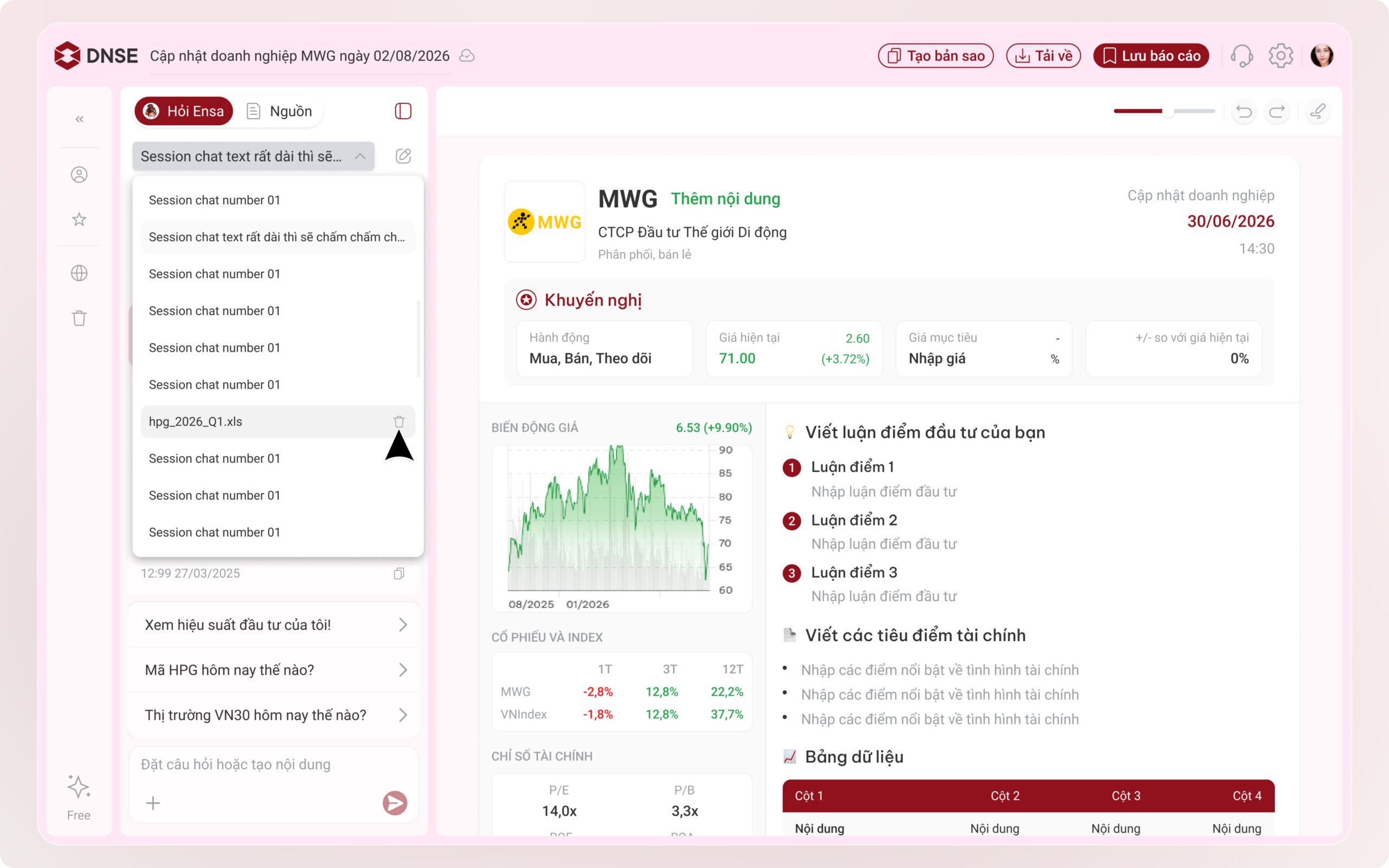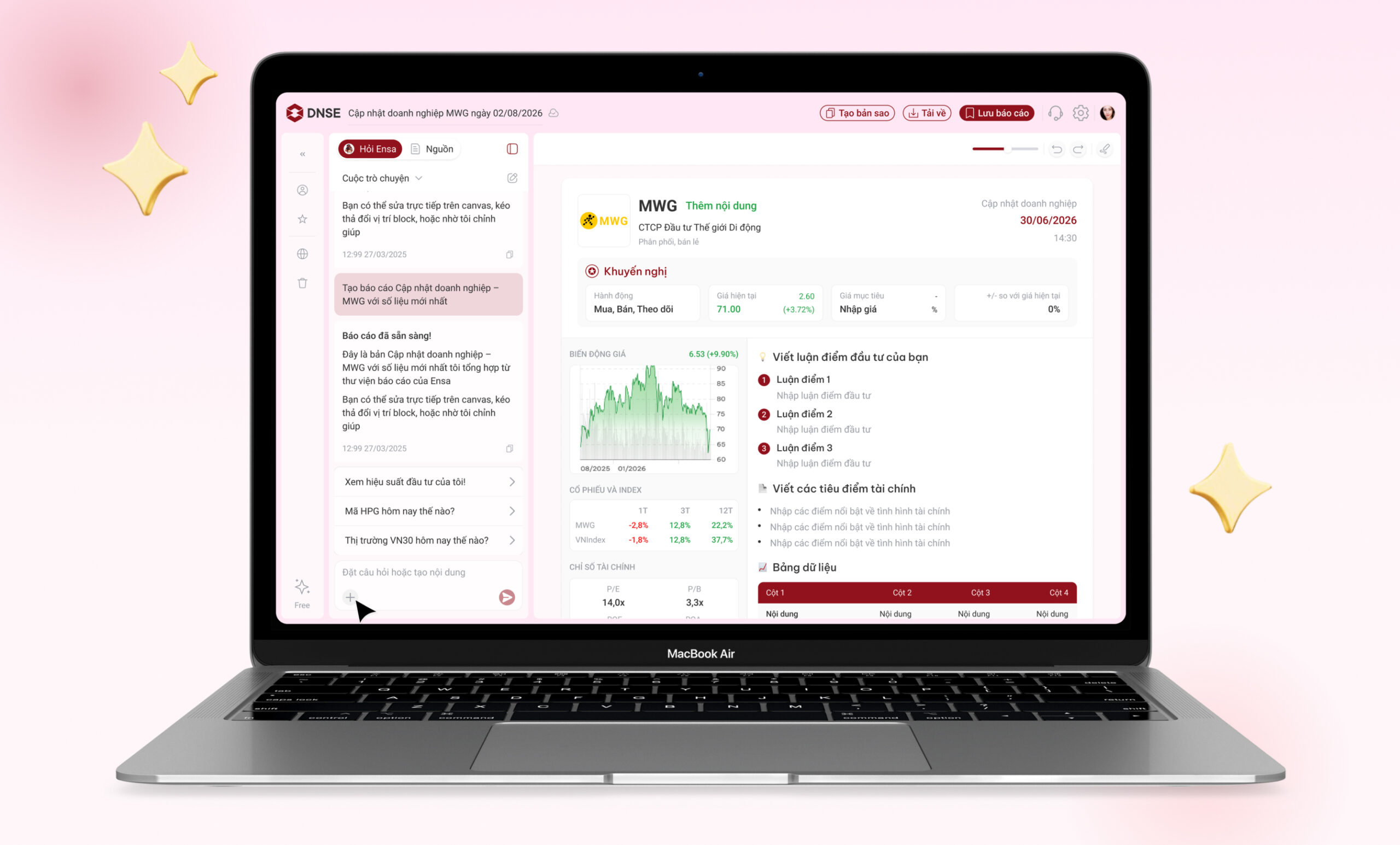
Ensa Workspace
Agenda
- Overview & Role: Project scope and my 100% solo ownership.
- The Problem & Market Gap: Identifying the need for accessible financial reports.
- Research & The Pivot: Shifting focus from retail to professional users.
- UX Strategy & Key Decisions: Core principles for building trust in AI.
- Final Solution & Designs: Interface screens and interactive flows.
- Technical Execution & Roadmap: System architecture and rollout phases.
- Business Impact: Driving MAU and subscription revenue.
- Reflections & Takeaways: Lessons learned and navigating tight constraints.
1. Project Overview
An AI-powered research workspace for investors, where users interact with financial reports through natural language, receive AI-driven insights with verifiable citations, and publish living research reports.
My Role & Contributions
As a Senior UX Designer, I operated as the solo designer on this project, taking 100% end-to-end ownership. I acted as the de-facto Design Lead, driving the product vision, conducting research, and managing cross-functional alignment. This demonstrates my readiness and capability to lead complex, strategic AI initiatives.
| Responsibility | Detail | |
|---|---|---|
| 1 | End-to-end UX design | From concept, landing experience, to complex workspace interactions. |
| 2 | Information architecture | Session management, project organization, document hierarchy. |
| 3 | AI interaction patterns | Chat UI, citation navigation, confidence indicators. |
| 4 | Cross-functional leadership | Aligning BA, Engineering, and UXR teams to execute the product vision. |
| 5 | Research Presentation | Presented comprehensive research to the PO detailing market analysis, competitive landscape, and user journeys. |
2. The Problem & Market Gap
Financial reports are inaccessible to most investors.
| Pain Point | Detail |
|---|---|
| Barrier to Entry | Reports are filled with jargon, dry tables, no context. |
| Lack of Insight | Existing tools extract data and draw charts, but don’t explain meaning. |
| No Interaction | Users can’t ask questions directly about a report. |
| Risk of Oversight | Easy to miss red flags, anomalies, and hidden risks. |
Competitive Positioning
We aimed to build the “NotebookLM for Financial Reports” specifically for the Vietnamese market.
| Competitor | Their Approach | Our Differentiation |
|---|---|---|
| FiinPro / WiChart | Data extraction and charts | AI explanation, interactive Q&A, natural language |
| Google NotebookLM | General-purpose document analysis | Specialized for financial reports with domain expertise |
| AlphaSense | $10K–$40K/user/year | Affordable, Vietnam market-first, AI-native |
Our moat: “Prepared context quality”. How well we pre-process and structure documents before AI ingests them is the real defensibility. Not the AI model itself.
3. Research & Target Users
Phase 1: Retail Investors
- Age 22–40, no deep finance background
- Overwhelmed by financial report jargon
- Want “easy answers” from complex data
Key research insight: Retail users want “cheap & easy” (commoditized by ChatGPT)
Phase 2 (The Pivot): Professionals
- Research analysts, advisory teams, brokers
- Content publishers who write & distribute research
- Clear pain points, willingness to pay
Key research insight: Professional users have distinct workflow pain points and measurable willingness to pay for specialized tools. This forced a full redesign from a simple chat to a multi-session, project-based environment.
4. UX Strategy & Key Decisions
| Challenge | Approach | Solution |
|---|---|---|
| Multi-session AI conversations | Evaluated navigation models | Drawer-based session management with project grouping (more scalable for power users) |
| Building trust in AI outputs | Trust pyramid framework | Inline citations with bbox-level source highlighting and confidence indicators |
| Research vs. Reading | Role-based views | Editor (full workspace) vs. Reader (clean consumption with interaction) |
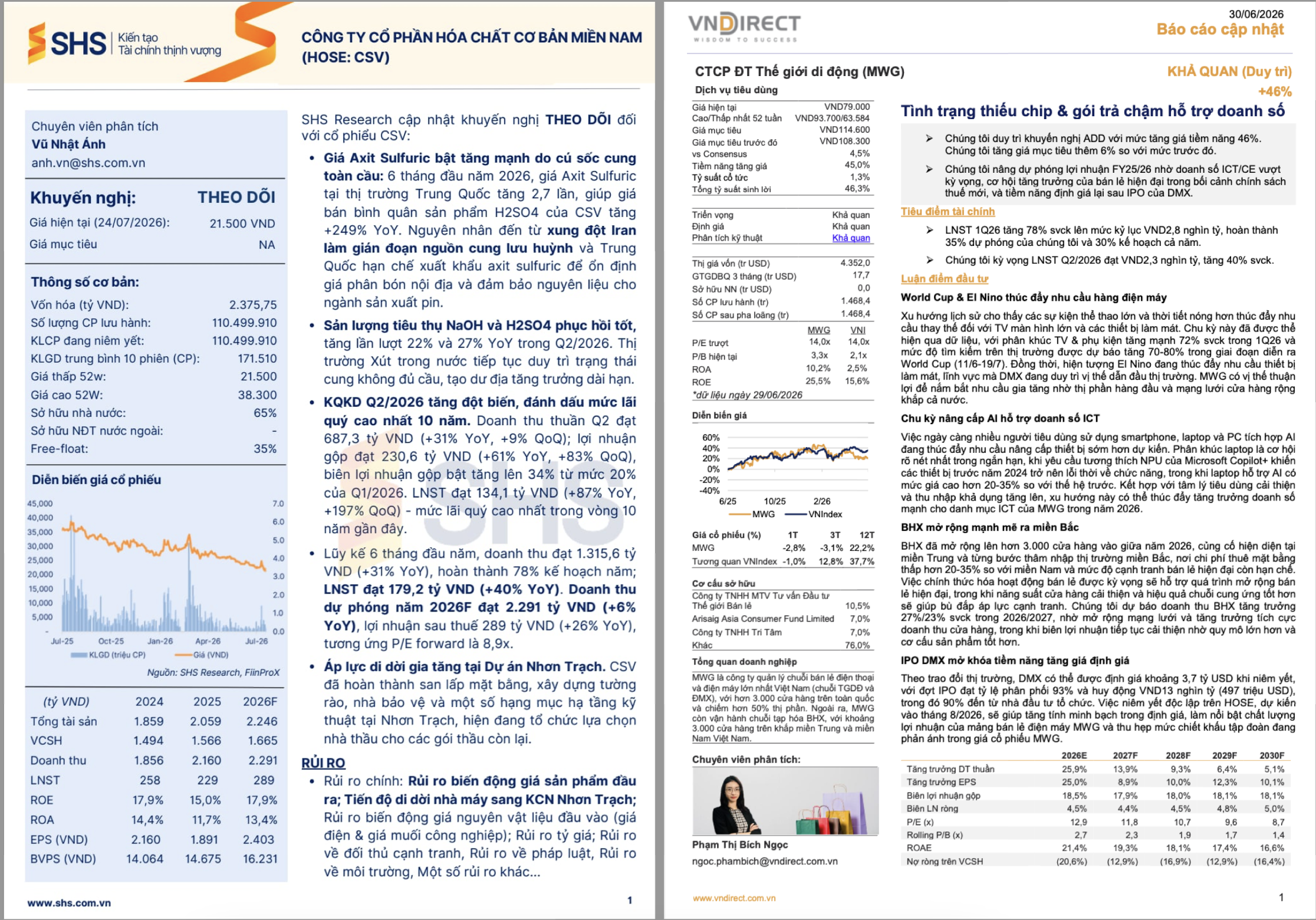
| 100+ documents in context | Information architecture | Project/section hierarchy, smart search, prepared context |
Core Design Principles
1. Dual-Pane Layout
Left is AI conversation, right is original PDF.
Why: Builds trust by allowing users to verify AI claims instantly.
2. Citation-First AI
Every insight links to exact position in source (bbox-level highlighting).
Why: Eliminates “AI hallucination” anxiety.
5. Final Solution & Interface Design
Translating research and strategy into a production-ready workspace optimized for trust and deep analysis.
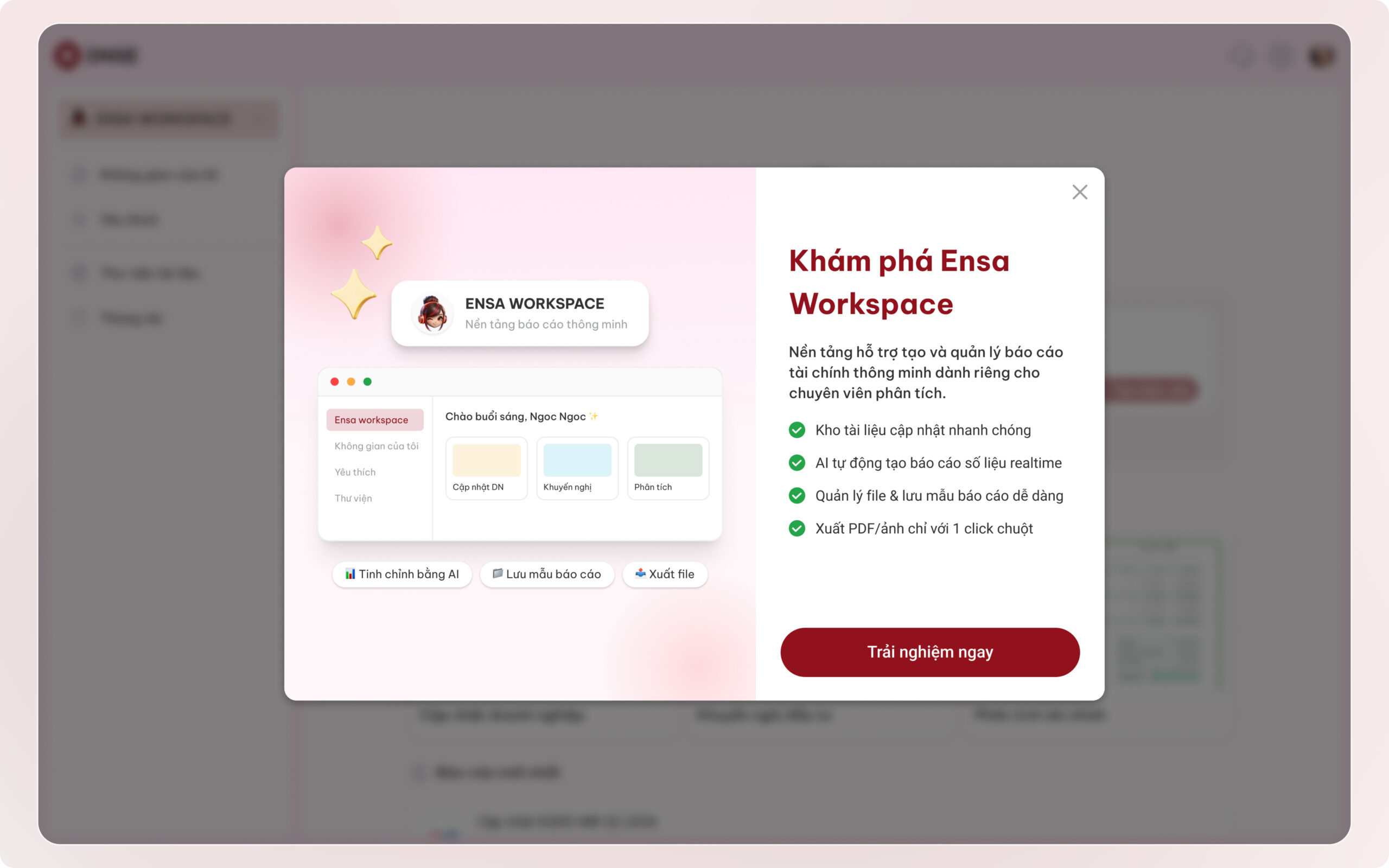
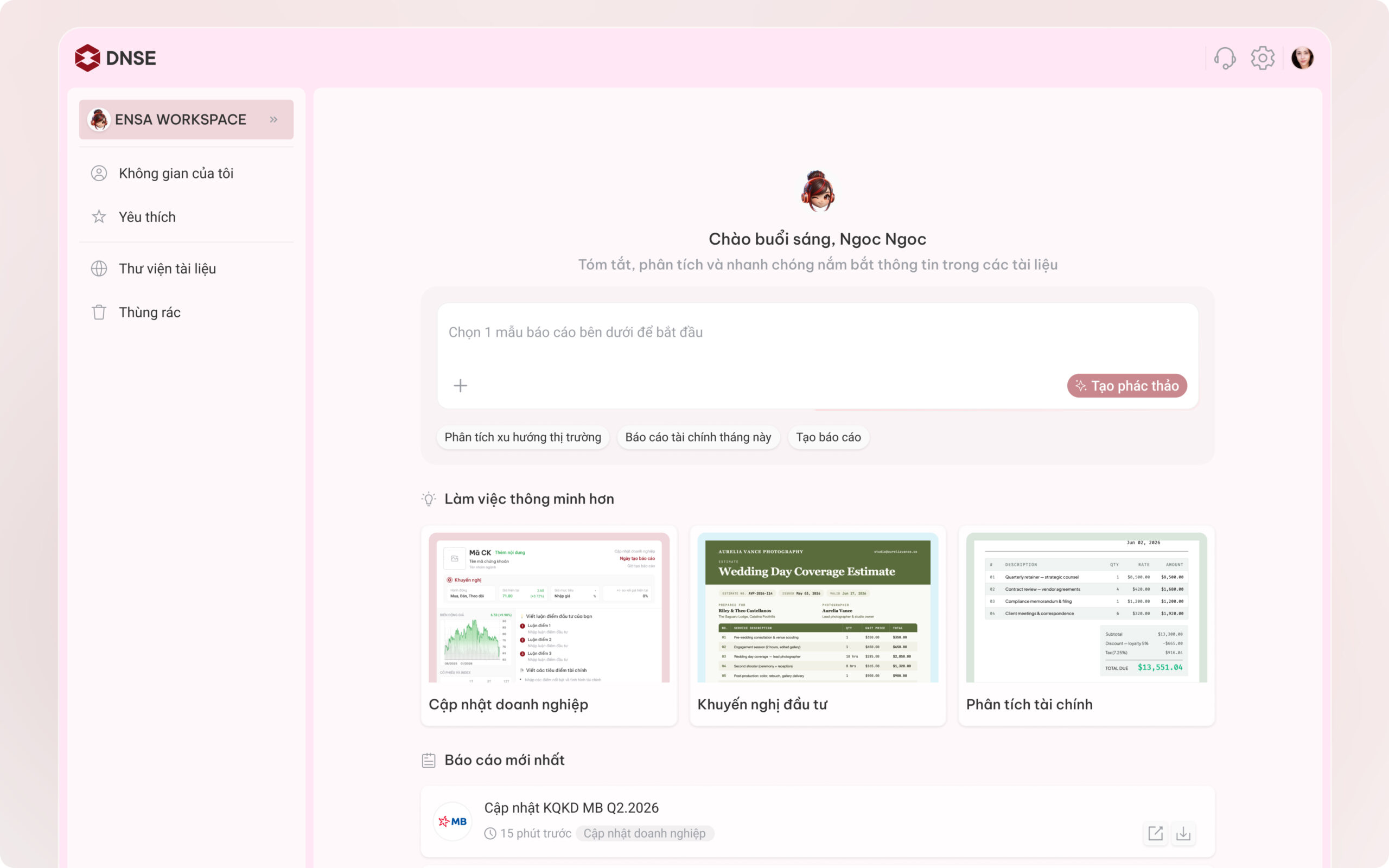
1. Onboarding Experience
Introducing the workspace value proposition to new professional users.
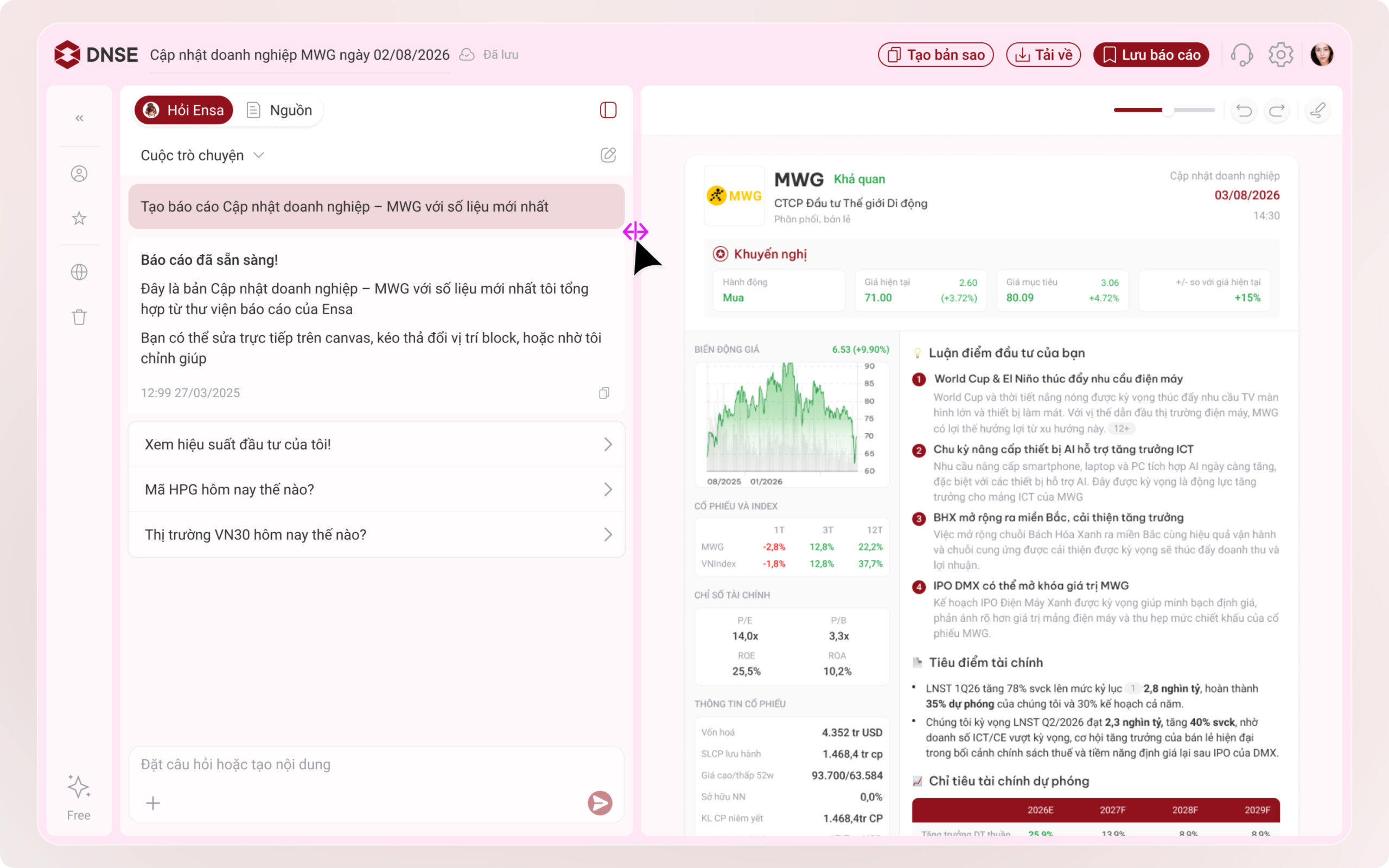
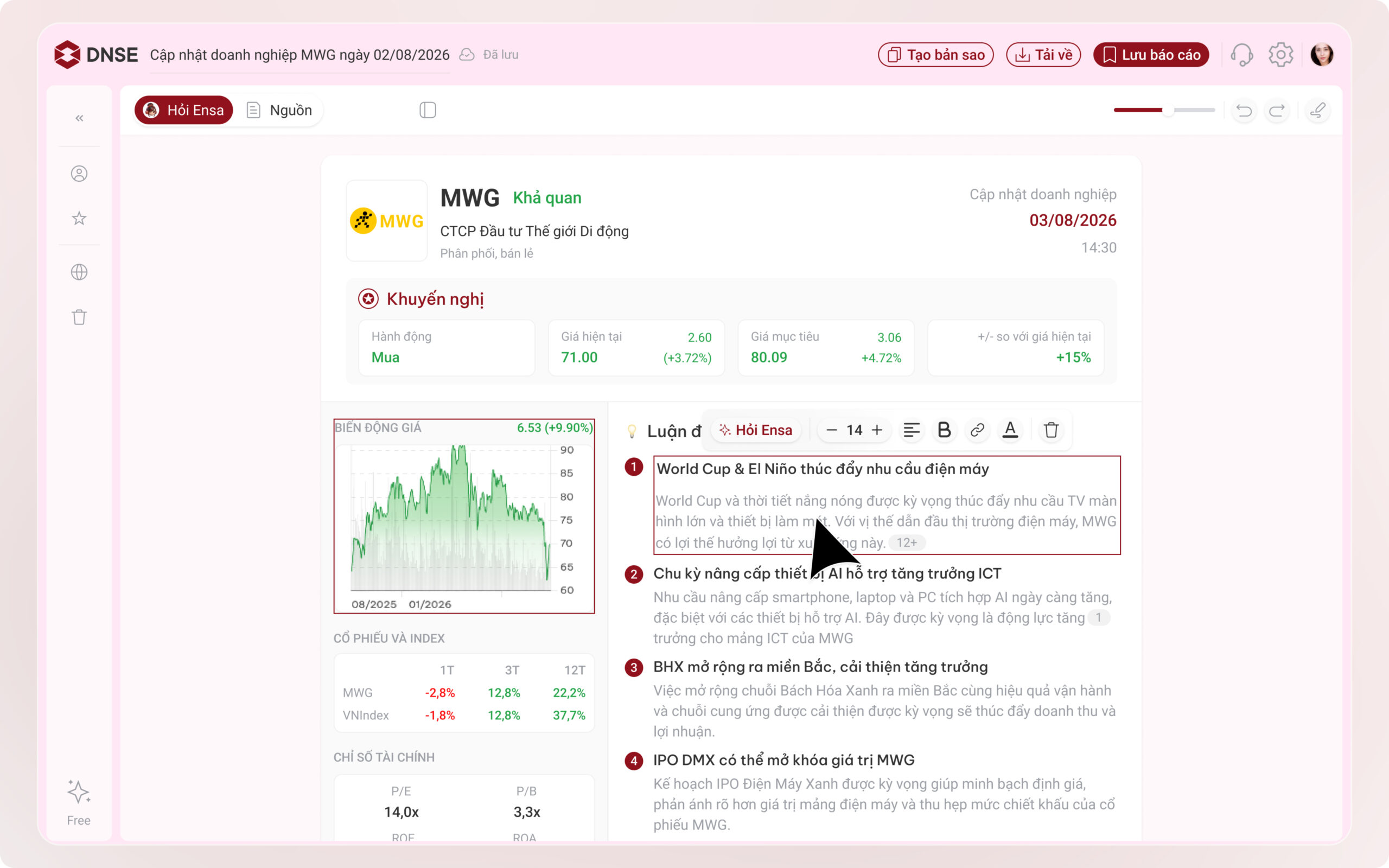
2. Core Workspace (Dual-Pane Layout)
The primary work environment featuring the conversation on the left and the source document on the right.
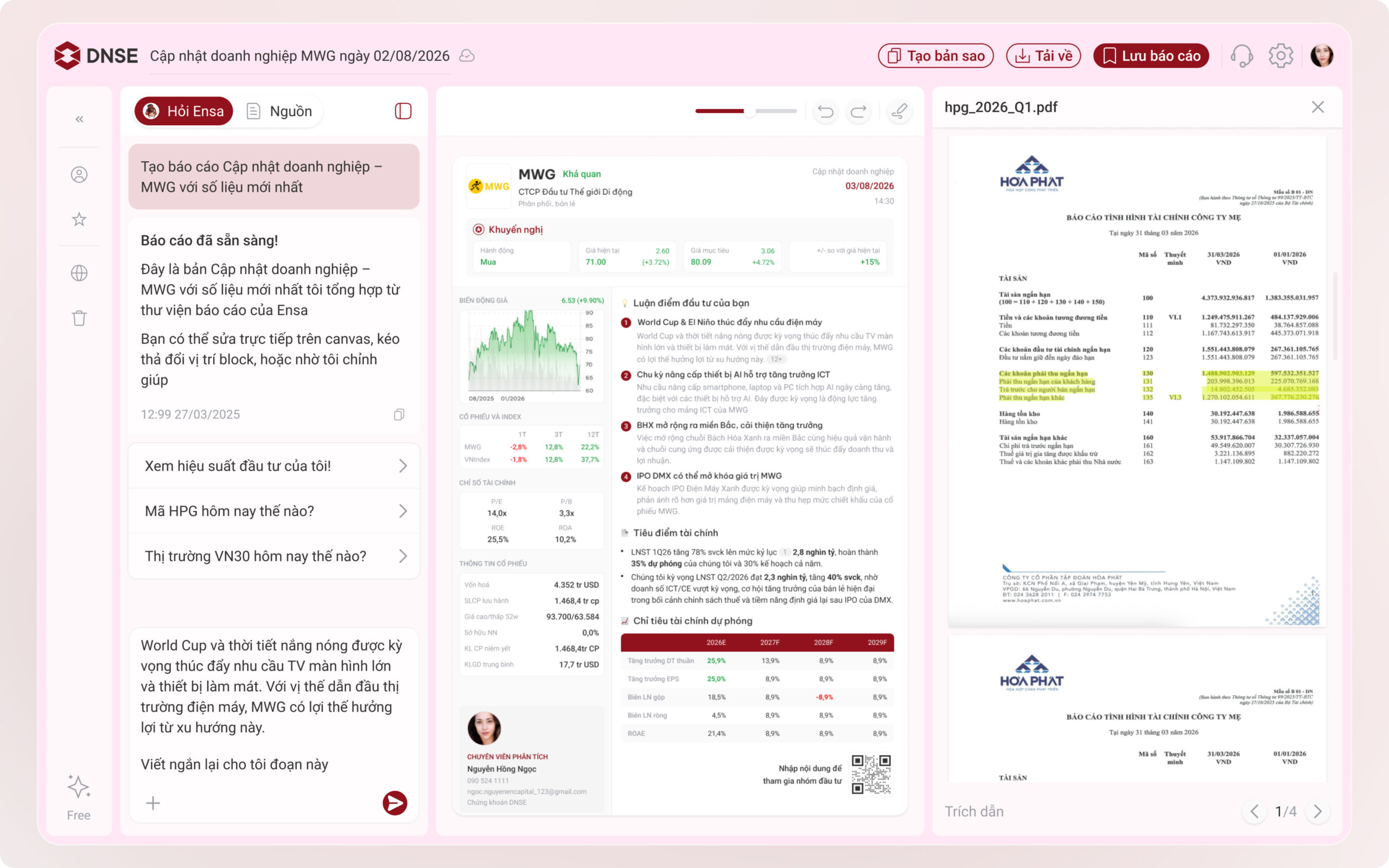
3. Citation Navigation (The “Aha” Moment)
When a user clicks an AI citation, the right pane automatically scrolls to and highlights the exact bounding box in the original PDF.
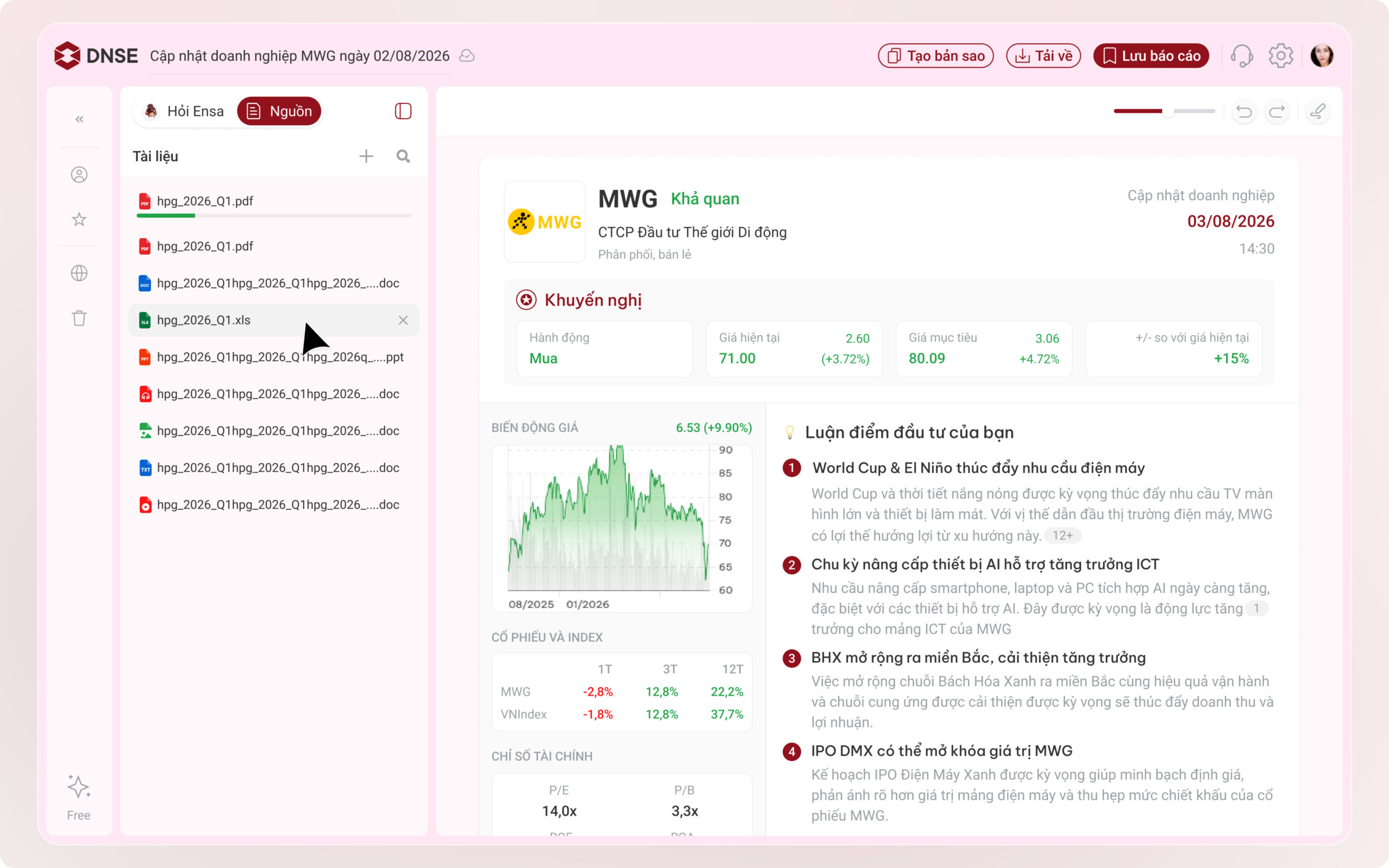
4. Document Management & Intelligence
Handling uploads, project organization, and AI-generated populated data reports.
6. Technical Architecture & Execution
Frontend State Management I Defined:
| Service | UX Touchpoint |
|---|---|
| Agentic Agent Service | Multi-agent AI with streaming responses, chat UI, loading states, error handling. |
| Data Ingestion Service | OCR, markdown conversion, citation mapping, upload flows, processing feedback. |
Product Roadmap
- Internal MVP (Q3 2026): Core workspace UI, chat, PDF viewer, citation navigation
- Public MVP (Q4 2026): Landing experience, onboarding, report views
- V1.0 (Q1 2027): Session management, agent customization, publishing flow
7. Business Impact & Outcomes
Designed to drive subscription revenue by solving high-value workflow problems for financial professionals.
- Target MAU (6 months): 1,000+
- Monthly Rev Target: 1B VND
- Feature Adoption: 80%+
- Target NPS: ≥ 50
- Revenue model: Subscription (Pro tier ~$40–60/month for professionals).
- Business goal: 1,000 expert users × ~1M VND/month = 1B VND/month revenue.
8. Behind the Scenes: Constraints & Lessons
Working Conditions
- 4-day design sprints: Required ruthless prioritization. Shipped core workspace first, layered details later.
- Parallel Work: Managed 2-3 concurrent projects, leading to heavy context switching.
- Clear Handoff: Delivered primary screens; PM annotated interaction details in a second pass.
What I’d Do Differently
- Advocate for UX Runway: Push for a minimum 2-week UX runway per feature instead of 4 days.
- AI Architecture: Involve UX in AI model discussions earlier. Decisions about context limits and hallucination fallbacks happen before Figma.
The ultimate takeaway: Trust is the product. In AI-for-finance, trustworthiness > features. Every design decision, from bbox citations to dual-pane layouts, must center on verifiability.